HISTORY OF MOLE
In San Pedro Atocpan is part of his heart
WELCOME
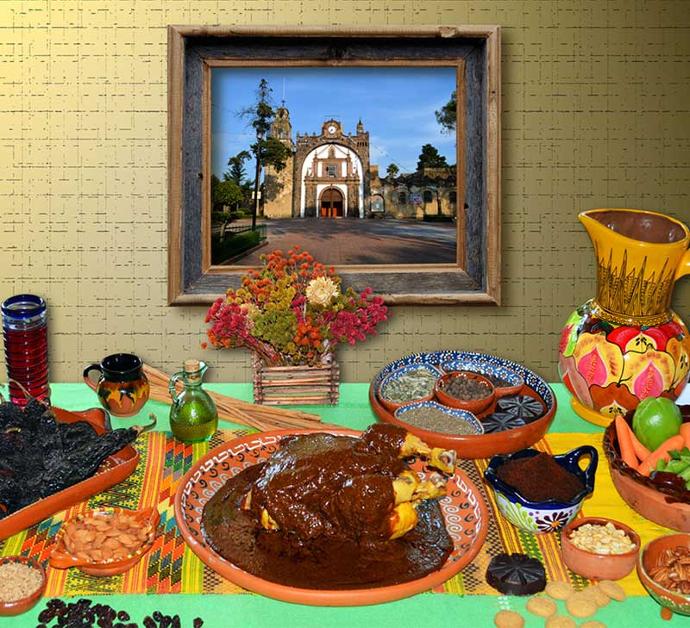
You are welcome to learn the history of one of the most delicious dishes in Mexico and of this culinary corner in the southern basin of Mexico City. Its origins take us back to the oldest communities in Mesoamerica, where the use of primitive crushers, molcajetes, tejolotes, metates and metlapiles, were the matrix of the first chilmollis in various parts of Mesoamerica, and especially in the mountainous lands on the edge of the lake area of Xochimilco and Malacachtepec Momoxco, today Milpa Alta.
Chili peppers, the essential body of our host, grew on the plains and slopes of the warm, temperate and cold regions of the New World. There are small ones with great heat and large ones with remarkable flavor, forming part of the variety of flavors that give identity to the national cuisine.
The other part of the rich dish that concerns us here, came from distant lands, after the conquest in the 16th century, Spain already came from a profuse miscegenation that integrated a mosaic of ingredients such as spices, cloves, pepper, cumin and cinnamon that they provided greater flavor to a mixture of condiments that gave rise to the baroque dish that was seasoned in the kitchens of Puebla, Oaxaca and Tlaxcala where the succulent dishes that originated our rich Creole, mestizo and indigenous cuisine, which today is national pride, were refined. highlighting the Mole as the traditional dish of our towns.
The Delegation of Milpa Alta, formerly the domain of Malacachtepec Momozco, the most rural area of Mexico City, is made up of twelve native towns and nine of them cultivate the nopal vegetable, a source of food and an emblematic national plant. Another of its active towns is San Pedro Atocpan (on fertile land), its industrious inhabitants live from the production of the exquisite mollis, heirs of ancestral Mesoamerican dishes that were the sustenance for the creation of the Mole, as a syncretism of two great trunk cultures, the Mesoamerican and the European.
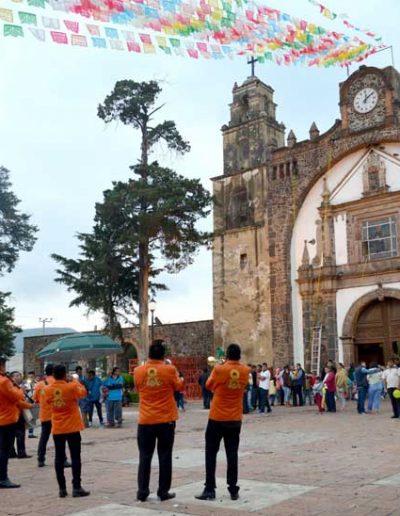
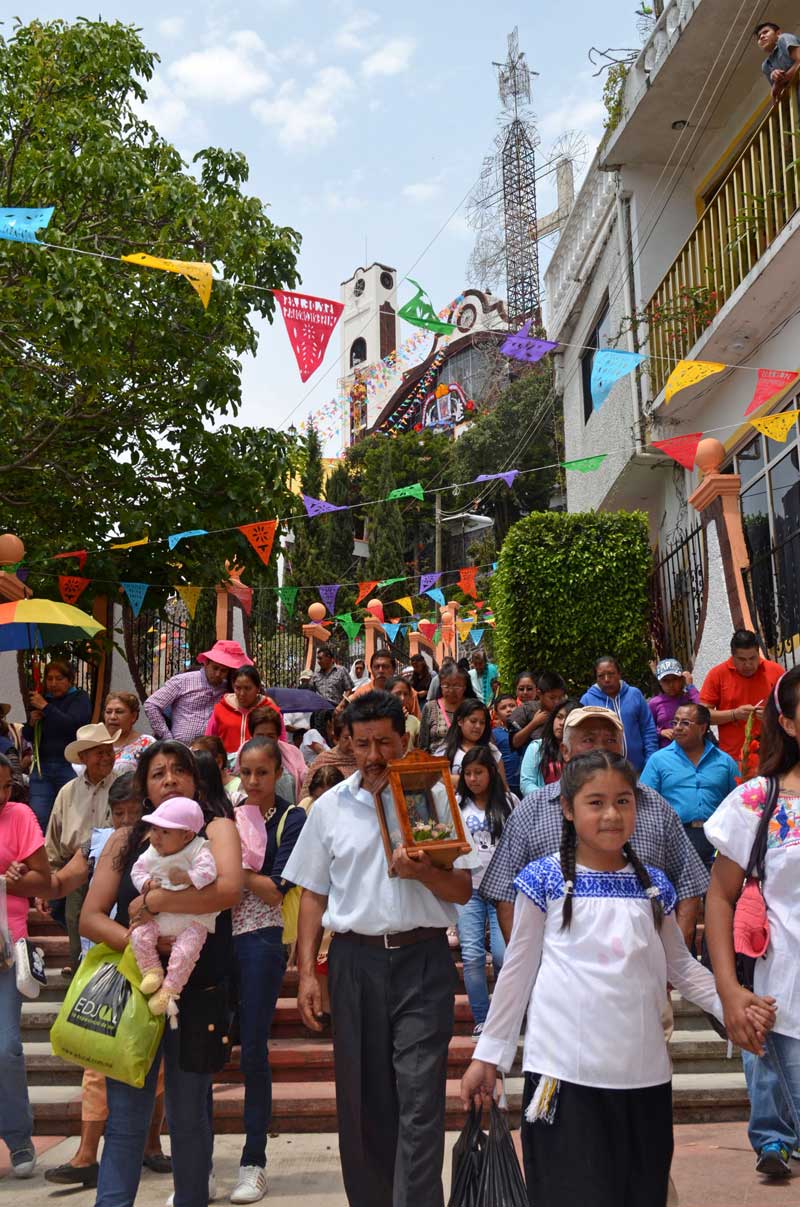
In recent times, the Mole was the dish that was prepared and served at festivals and mayordomías, these last elements give identity to our rural towns, accompanied by castles, music bands, pilgrimages, dances and vast feasts that They continue to be moments of joy, jubilation and union of our native peoples.
In the 1940-50s, Milpa Alta suffered the economic crisis of its main product that had been its livelihood, that is, the production of pulque, which was persecuted by its detractors from the federal and local governments, since beers, brandies, and tequilas in Most of the foreign companies displaced and attacked the consumers of the traditional drink from the towns of the Basin.
Rural life soon became commercial and a process of change began in the daily life of San Pedro Atocpan. Producers of mulato, pasilla, ancho, and guajillo chili peppers that are produced in Zacatecas, Querétaro, Aguascalientes, and San Luis de la Paz, Guanajuato, arrived in the community, establishing small chili cellars that sell directly from their places of origin.
In its beginnings, few families sold mole in fondas, markets, and tianquiz in Mexico City; Years later, many families became convinced of the economic benefits of selling mole and created small mill production centers, going from the artisanal process to the semi-industrial one, using stone mills that skilled millers handled, thus forming this new productive activity.
This is how the first Cooperativa del Mole emerged, promoted by a visionary priest from the town; The first National Mole Fair was organized and the first restaurants in the town were also born. The rural physiognomy vanished and city life gained ground: they built masonry houses, bought cars and trucks to transport their products to the city; In addition, stores, warehouses and restaurants were opened that today are the pride of this prosperous community.
The mole was not born here! But, here in San Pedro Atocpan, province of the great Mexico City, this part of its heart and its flavors.
* Text prepared by the teacher Luis Gutiérrez Romero. Chronicler of San Pedro Atocpan.